1inch Fusion vs Matcha Auto Cryptocurrency Exchange Comparison
Compare 1inch Fusion and Matcha Auto by executable output, fees, gas abstraction, MEV handling, approvals, fill behavior, and failed-order recovery.

DeFi Farmer Research Desk
Aug 27, 2026 · 13 min read
In brief. 1inch Fusion sends signed swap intents to competing resolvers through a Dutch-auction design. Matcha Auto uses 0x-powered intent and gasless infrastructure. Compare the final guaranteed output and approval request for the same trade because gasless execution can still include fees, spread, and resolver economics.
On this page15 sections
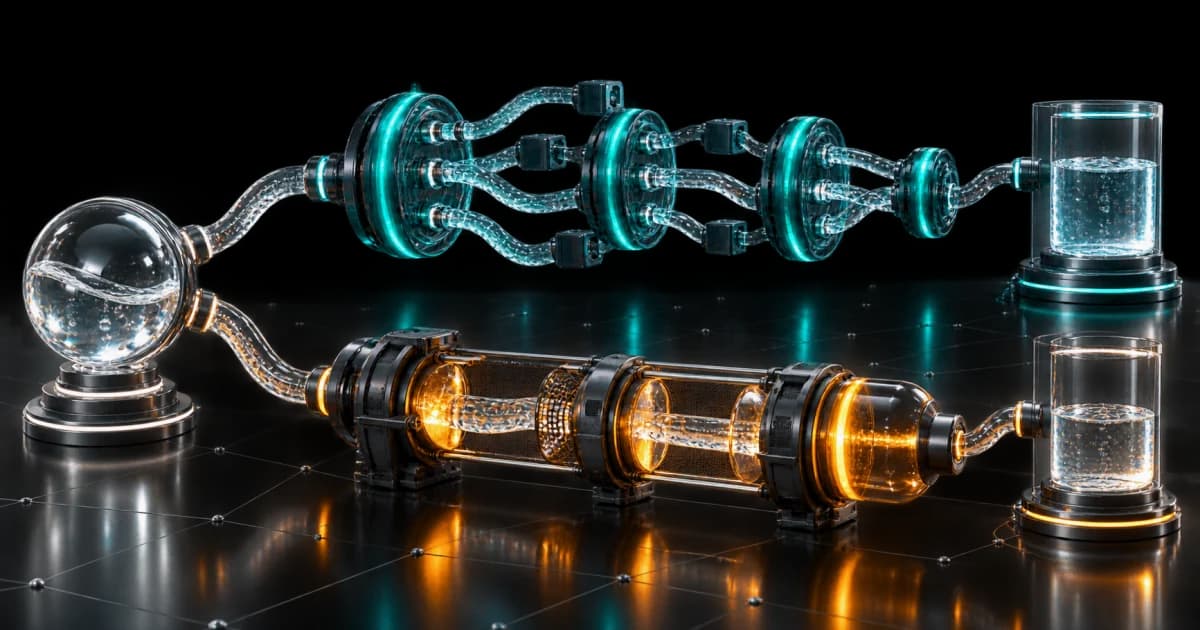
This 1inch Fusion vs Matcha Auto cryptocurrency exchange comparison begins with the number that reaches your wallet. Both modes can abstract native gas and reduce public-mempool exposure. They use different execution networks and fee economics, so the larger quote on the first screen may deliver fewer tokens after the full order settles.
The test produces a small evidence table you can use before every meaningful swap.
What each mode does
Both products are DEX aggregators. They search across liquidity sources and coordinate an onchain settlement while the user keeps control of assets until the signed action executes.
The common surface hides different machinery.
1inch Fusion
The official 1inch Fusion guide describes a user as the maker of a signed order. Resolvers compete to fill it and pay the settlement gas. The order price follows a Dutch-auction curve, which changes the terms available to resolvers over time.
1inch says Fusion provides front-running protection and allows ordinary execution without the user holding the chain's native gas token. Its Fusion FAQ distinguishes the mode from Classic aggregation and notes that execution takes place within a price range over a defined period.
The resolver needs an economic reason to fill. A small, unusual, or rapidly moving pair can expire when no resolver accepts the available terms.
Matcha Auto
Matcha is built on 0x. Its Auto documentation says the mode sponsors native gas, submits through a privileged execution path, and protects against common MEV patterns. The page was updated to say Matcha Auto has used an intent-based architecture since July 2025.
0x's current API overview documents aggregated swap pricing, executable calldata, and gasless settlement infrastructure. Matcha packages those capabilities into a retail interface.
Matcha says Auto includes an added fee. Treat the live quote and final preview as the source for its current amount. Older marketing pages and third-party comparisons can lag product changes.
- 01
Quote
The interface finds liquidity and displays an estimated or guaranteed token output.
- 02
Sign intent
The wallet authorizes defined trade terms without directly broadcasting the final swap transaction.
- 03
Compete
Resolvers, relayers, or market makers decide whether and how to execute the order.
- 04
Settle
A transaction moves tokens onchain within the signed limits, or the order expires or fails.
Gasless does not mean costless
Ethereum validators and L2 sequencers still charge for computation. A gasless interface changes who holds and spends the native token.
The submitting party can recover cost through resolver spread, service fees, route economics, or a broader business model. The user gains convenience and avoids stranded token balances caused by having no ETH, MATIC, or another native asset.
Compare these fields.
| Cost field | What to record |
|---|---|
| Sell amount | Exact token units leaving the wallet |
| Quoted buy amount | Headline output before signing |
| Minimum or guaranteed output | Lowest acceptable settlement under the signed order |
| Explicit platform fee | Amount, token, and percentage |
| Gas charged to wallet | Native token amount, often zero in these modes |
| Approval cost | Any separate onchain transaction needed first |
| Delivered output | Final buy-token balance change from the receipt |
A $10,000 swap with zero wallet gas and a 0.25% service cost spends $25 through the trade. A direct route with a $4 gas bill and equal execution would cost less. Reverse the gas market or improve the protected fill and Auto may win.
There is no stable universal answer. Size, chain, token taxes, liquidity, volatility, and account approval state all move the result.
Quote versus delivered output
The first screen is an invitation. The transaction receipt is evidence.
For each test, calculate this figure after settlement.
effective price = total sell-token value / buy tokens actually received
Then compare it with a reliable external reference at the execution timestamp. A CoinGecko price is too coarse for a precise onchain fill; use a liquid pool midpoint or another executable aggregator quote and record its source.
Positive slippage can improve output. Negative slippage reduces it within the signed limit. 0x's current API supports parameters for slippage and trade-surplus handling at the integrator level, as described in its Swap API documentation. Retail Matcha policy determines what the user sees, so inspect the interface rather than assuming every 0x integration behaves identically.
MEV protection
Publicly broadcast swaps can be seen before inclusion. Searchers may place transactions around a vulnerable trade, causing a worse execution price while staying inside the user's slippage setting.
Fusion says resolvers bundle and submit orders through a protected flow. Matcha Auto says it uses private transaction infrastructure and inbuilt slippage protection. These designs reduce exposure to common sandwich behavior.
They introduce new dependencies. Users rely on the intent network to find a valid filler, submit promptly, and honor the signed bounds. Cryptographic limits protect the minimum output; they do not promise a fill.
Do not widen slippage until a stubborn trade executes. Find the reason first. The token may charge transfer tax, liquidity may be disappearing, or the quote may be stale.
Dutch auction versus Auto execution
Fusion's Dutch-auction mechanism starts with terms that are attractive to the user and becomes increasingly attractive to resolvers within the configured range. A resolver fills when it can source the trade profitably.
This creates a time-price relationship. Faster modes may offer a less patient curve. Slow or custom settings can wait longer for a better outcome and may expire.
Matcha Auto presents less of that auction machinery to the user. The 0x-powered system prepares and submits a gas-abstracted trade under the quoted constraints. The interface emphasizes delivery and simplified settings.
That makes the comparison partly about control. Fusion exposes execution-speed choices and resolver competition. Matcha Auto reduces configuration and charges for the service it provides.
Holds up
- 1inch Fusion offers an explicit resolver-auction model and configurable execution pace.
- Matcha Auto keeps the transaction flow compact and removes the need to maintain native gas for supported swaps.
- Both use signed limits that can protect minimum output when the order settles as designed.
Costs you
- Fusion orders can expire or fill slowly when resolver economics are weak.
- Matcha Auto can add a service fee that outweighs native gas savings on large or low-gas trades.
- Either mode can depend on token approvals and third-party execution infrastructure.
Approvals and wallet signatures
The swap may require two permissions.
First comes an ERC-20 allowance or Permit2-style approval authorizing a known spender. Then the wallet signs the trade intent. A signature can look free because it is offchain, while the underlying permission remains powerful.
0x Swap API v2 supports Permit2 and an AllowanceHolder contract, with per-trade allowances documented as a security improvement. 1inch uses its own current contracts and approval flows. Contract addresses can change with versions and chains.
Open the spender in a block explorer from the wallet prompt. Compare it with the official app or documentation. Reject approvals from a search ad, social reply, or copied address whose source you cannot establish.
Set a limited amount when the wallet supports it. After the trade, use the token approval checker to review dormant permissions. A disconnected website can retain an active onchain allowance.
Never sign a vague wallet request
If the wallet cannot show the chain, spender, token, amount, expiry, and minimum received in a form you can verify, cancel. A slightly better quote is poor compensation for an unreadable permission.
Chains and token support
Support changes. Check both interfaces with the exact source and destination token addresses.
Common tokens such as WETH, USDC, and DAI usually have more resolver competition and route depth. A newly launched token can have one shallow pool, transfer taxes, blacklist logic, or unusual decimals.
Do not search only by ticker. Paste the contract address from the project's verified documentation or a trusted explorer. Two tokens can share the same symbol.
Native-to-token swaps may wrap the chain asset during execution. Token-to-token gasless swaps can be particularly useful when the wallet has no native balance, though a separate approval transaction may still require native gas if the current flow cannot use a signature-based permit.
Failed, expired, and partial orders
A failed blockchain transaction and an expired intent are different events.
An expired intent may never reach the chain. Assets should remain in the wallet, though the associated approval can still exist. Check order status and wallet balances before retrying.
An onchain revert appears in the explorer and can consume gas when the user submitted it. Sponsored systems may absorb that network charge under their product rules.
Partial fills depend on the order type and current mode. Review whether the interface allows partial execution, what happens to the remainder, and how long the signature stays valid. Never stack repeated replacement orders without canceling or confirming the earlier state.
Swap comparison test
Fix the test inputs
Use the same chain, wallet, sell-token address, buy-token address, and amount. Avoid changing settings between quotes.
Open both official interfaces
Reach them from saved bookmarks. Capture quotes within one minute during ordinary market conditions.
Record every displayed field
Save quoted output, guaranteed or minimum output, fee, route, estimated time, price impact, and any gas requirement.
Inspect the permission
Compare spender address, allowance amount, signature expiry, and network. Include an approval transaction in total cost.
Walk away when quotes move sharply
A rapidly falling output means the test conditions changed. Wait for a stable comparison instead of chasing the first number.
Execute one route with a small amount
Confirm the received token and ability to sell it before committing meaningful capital. Never use a seed phrase in either app.
Audit the receipt
Calculate delivered output, total fees, settlement time, and remaining approvals. Save the transaction hash with the test row.
Use a table like this.
| Field | 1inch Fusion | Matcha Auto |
|---|---|---|
| Quote timestamp | ||
| Sell amount | ||
| Minimum received | ||
| Explicit fee | ||
| Approval needed | ||
| Estimated fill | ||
| Delivered output | ||
| Settlement seconds | ||
| Transaction hash |
I verified the current public documentation and built the comparison around reproducible receipt fields. I did not fund two synchronized swaps, so this page does not claim a live winner on price or fill rate. Any article that does should publish token addresses, timestamps, transaction hashes, and quote settings.
Which one should you use
| Situation | Start with | Reason to test the other |
|---|---|---|
| You want auction-speed controls | 1inch Fusion | Matcha may show a stronger guaranteed output |
| You want a compact gasless flow | Matcha Auto | Fusion may avoid the added Auto fee through resolver economics |
| You have no native gas token | Both | Approval state and token permit support decide whether the flow is fully gasless |
| The token is thin or unusual | Both, with a tiny test | Resolver coverage and route quality vary by token |
| You are swapping a large amount | Both, plus other reputable aggregators | A small percentage fee or price impact dominates gas savings |
| You need immediate certainty | Compare current fast/Auto previews | Intent orders can expire, while rushed terms can cost more |
This table directs a test rather than awarding a permanent winner. Routing markets change block by block.
Common mistakes
- Comparing headline output on one app with minimum output on the other.
- Forgetting a separate approval transaction in the cost.
- Calling the trade free because the wallet paid zero native gas.
- Using token symbols without verifying contract addresses.
- Increasing slippage after an unexplained failure.
- Retrying while an earlier signed order remains active.
- Leaving unlimited allowances after a one-time swap.
- Assuming 1inch Classic behaves like Fusion or Matcha Standard behaves like Auto.
Three things to keep
- The full before-signing preview for both routes.
- The transaction hash and actual balance change after execution.
- A clean approval list when the comparison is over.
1inch Fusion vs Matcha Auto FAQ
›What is the main difference between 1inch Fusion and Matcha Auto?
1inch Fusion uses a Dutch-auction intent filled by competing resolvers. Matcha Auto packages 0x-powered intent, aggregation, and gasless settlement infrastructure in a simplified interface.
›Are 1inch Fusion and Matcha Auto gasless?
Supported swaps can settle without the user directly paying native gas. A prior approval may still require gas, and execution cost can appear through fees or trade economics.
›Which gives a better price?
The answer changes with chain, tokens, amount, liquidity, volatility, approval state, and timing. Compare minimum received and final delivered output from simultaneous quotes.
›Can a Fusion or Auto order fail?
Yes. An intent can expire without a filler, a token can have unsupported behavior, or onchain settlement can fail. Check order status and balances before signing a replacement.
›Do these modes protect against MEV?
Both describe protected execution paths designed to reduce public-mempool exposure and sandwich attacks. Signed minimum-output limits remain important, and no design guarantees a fill.
›Should approvals be revoked afterward?
Review the spender, amount, and expiry after trading. Revoke dormant or unlimited permissions when their future convenience does not justify the exposure and account for the revocation gas cost.
Sources
- 1inch Fusion mechanics for resolvers, gas payment, and the Dutch auction.
- 1inch Fusion FAQ for mode behavior and order timing.
- Matcha Auto for gas abstraction, protected execution, and its current intent architecture note.
- 0x API overview for aggregation and gasless APIs.
- 0x Swap API v2 for Permit2, AllowanceHolder, quote validation, and response fields.
- Uniswap protocol page for a sourced baseline on AMM swaps and liquidity.
A gasless signature can sit beside an onchain allowance. Review both after the swap and remove permissions you no longer need.
Keep reading
Related research

Is VeChain Supported on Trezor?
Is VeChain supported on Trezor wallet devices? No, as of September 9, 2026. See safe VET storage options and how to transfer crypto to a Trezor.
Best Ripple Hardware Wallet
Best Ripple hardware wallet picks for XRP self-custody: Ledger, Trezor, Tangem, and Ellipal compared with US prices, reserve rules, and safe receiving steps.

Trezor Wallet Review
Trezor wallet review: current lineup with US prices, secure element and backup differences by model, coin support gaps, and scam warnings.
Ledger Nano X Review
Ledger Nano X crypto hardware wallet reviews: dated $99 price check, full specs, Bluetooth security, battery limits, and how it compares with the Nano S Plus and Flex.
Get the next field guide
New protocol research, risk checks, and practical DeFi tools.