What Is a Decentralized Wallet
A decentralized wallet gives the user control of transaction keys, but its app, RPC, recovery, and swap services may still be centralized.

DeFi Farmer Research Desk
Dec 30, 2025 · 4 min read
In brief. A decentralized wallet is self-custodial: you or your chosen smart-account policy controls transaction authorization, not an exchange support desk.
On this page7 sections
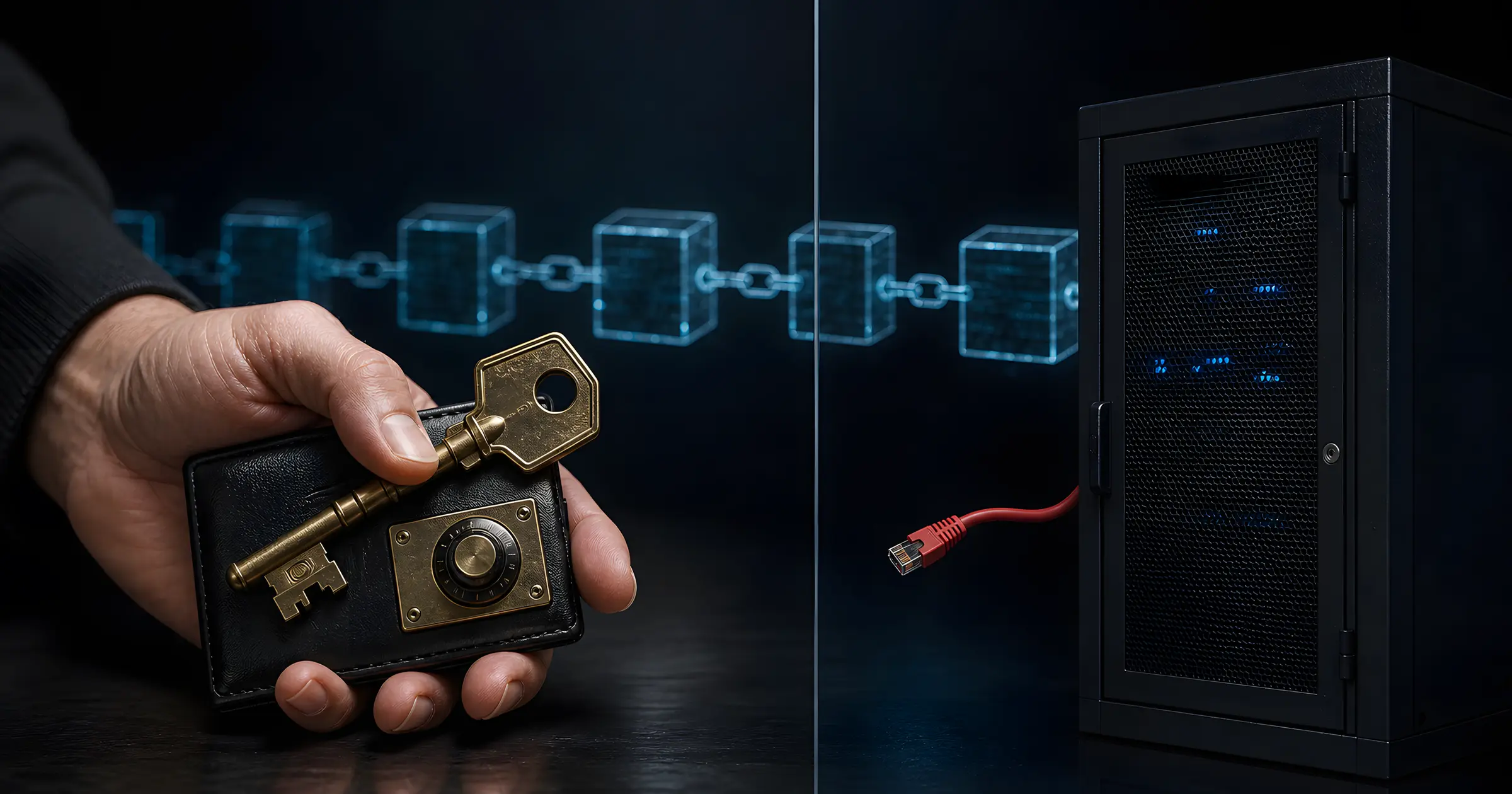
A decentralized wallet is a self-custodial wallet in which the user controls the keys or smart-account authorization policy needed to move assets; no exchange can reset access and transfer funds on the user's behalf.
How a decentralized crypto wallet works
A wallet does not store coins inside the app. The blockchain records assets, while the wallet stores or invokes signing authority that proves which transactions the account permits.
For a conventional externally owned account:
- a private key signs transactions;
- a recovery phrase often derives multiple private keys;
- the public address can receive assets;
- any person who learns the private key can authorize transfers.
For a smart-contract wallet, contract code can require multiple signers, spending limits, passkeys, guardians, or delayed recovery. It is still self-custodial when the user-controlled policy, rather than a custodian's account database, determines authorization.
Decentralized wallet vs centralized wallet
| Feature | Self-custodial wallet | Custodial exchange wallet | Smart-contract wallet |
|---|---|---|---|
| Transaction authority | User-held key | Custodian | Contract policy and authorized signers |
| Password reset | Cannot restore the key | Usually available through account recovery | Possible if configured guardians or recovery exist |
| Onchain access | Direct signing | Custodian submits withdrawals | Direct contract execution |
| Main loss mode | Secret theft or loss | Account, platform, or withdrawal failure | Policy, signer, or contract failure |
| Censorship point | Frontend/RPC can block UI access | Custodian can block the account | Frontend can block UI; contract may remain callable |
"Decentralized" is not binary. A wallet can be self-custodial while using a centralized RPC, swap provider, token list, cloud backup, or app store. If the frontend disappears, an exportable standard key can often be loaded into another compatible wallet; a proprietary recovery system may not be portable.
Is a decentralized wallet safe?
Self-custody removes custodian risk and replaces it with key-management and signing risk. It is safer only when the user can protect recovery material and understand transaction authority.
The highest-impact controls are:
- generate recovery material in the wallet or hardware device, never on a website;
- store offline backups in separate physical failure zones;
- never photograph or cloud-sync a plain seed phrase;
- verify recipient and transaction details on a trusted display;
- keep long-term assets away from daily approvals;
- test recovery with a low-value wallet before relying on the process;
- review allowances with a token approval checker.
A hardware wallet protects the key from routine computer malware, but it cannot protect a transaction the user knowingly confirms.
What is the best decentralized wallet setup?
The best setup is a three-wallet boundary, not one brand:
- Vault: hardware-backed, long-term assets, no quests or experimental approvals.
- Activity wallet: known DeFi protocols, capped working balance, periodic approval review.
- Burner: unknown mints or short campaigns, disposable balance, no link to vault permissions.
This segmentation limits blast radius. Multiple accounts generated from the same exposed recovery phrase do not create that boundary; use independently generated secrets where failure isolation matters.
How to choose a decentralized wallet
Evaluate properties that survive marketing cycles:
- open, documented transaction format and key export path;
- hardware-wallet support;
- readable simulation and typed-data display;
- chain and token-contract verification;
- approval and Permit2 visibility;
- smart-account recovery rules and who can change them;
- reproducible or independently audited releases where available;
- ability to choose an RPC endpoint;
- clear policy for telemetry and cloud backups.
Our view: recovery deserves more scrutiny than the swap interface. A wallet tested for one afternoon can hold assets for ten years; an undocumented recovery dependency is the actual long-duration bet.
Decentralized wallet scam boundary
Wallet support will never need the recovery phrase. If a phrase has been entered into any website, chat, ticket, form, or remote-support session, assume it is compromised and migrate to a new secret generated on a clean device.
Follow digital wallet scam for incident triage and the crypto tracking spreadsheet for address and approval records. Never put recovery secrets in that spreadsheet.
Sources
Keep reading
Related research
Is VeChain Supported on Trezor?
Is VeChain supported on Trezor wallet devices? No, as of September 9, 2026. See safe VET storage options and how to transfer crypto to a Trezor.
Best Ripple Hardware Wallet
Best Ripple hardware wallet picks for XRP self-custody: Ledger, Trezor, Tangem, and Ellipal compared with US prices, reserve rules, and safe receiving steps.
Trezor Wallet Review
Trezor wallet review: current lineup with US prices, secure element and backup differences by model, coin support gaps, and scam warnings.
Ledger Nano X Review
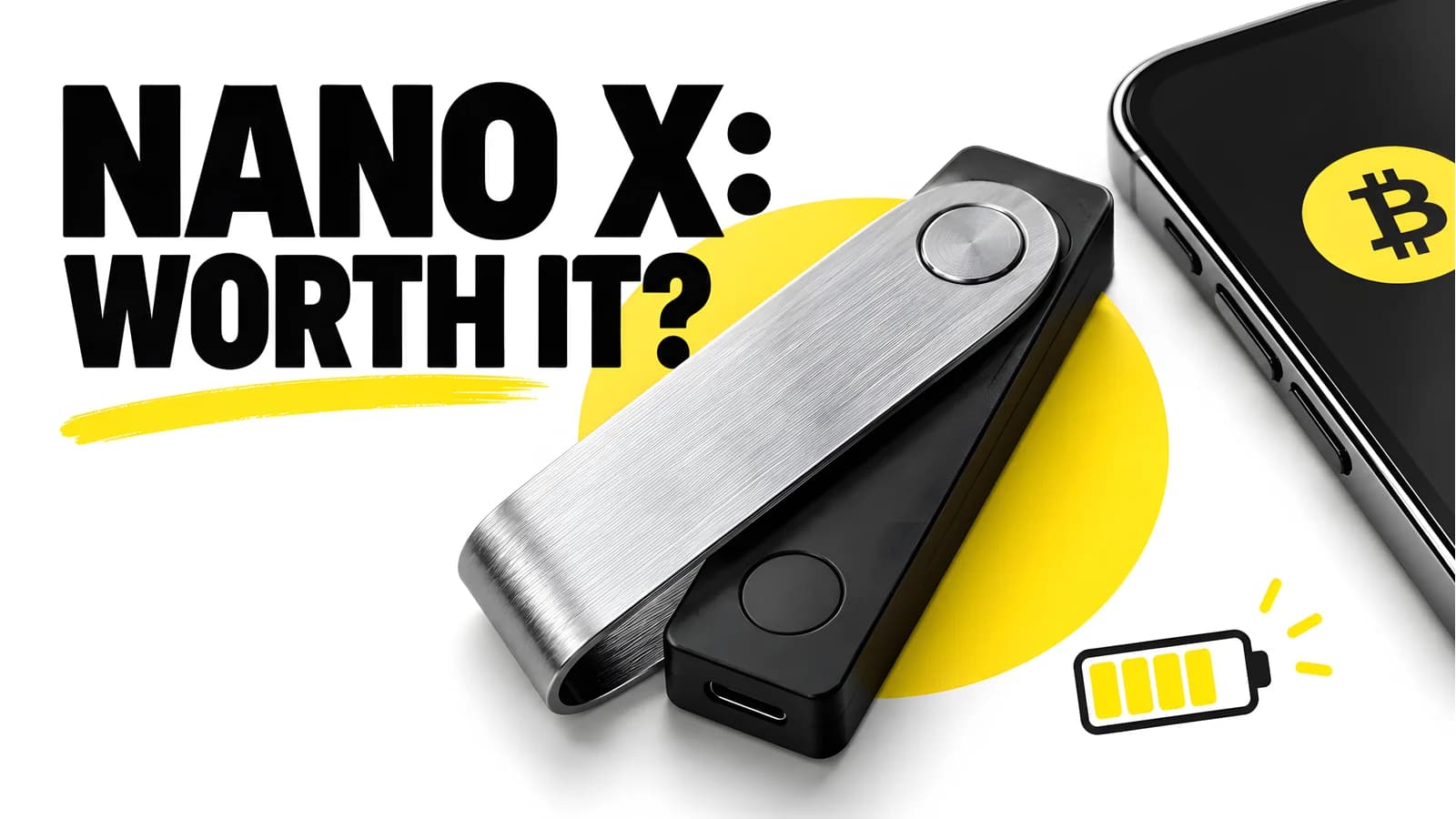
Ledger Nano X crypto hardware wallet reviews: dated $99 price check, full specs, Bluetooth security, battery limits, and how it compares with the Nano S Plus and Flex.
Get the next field guide
New protocol research, risk checks, and practical DeFi tools.